
Insights Blog
Notes from the people building marketing data infrastructure. Written mostly by our own team, occasionally by the customers who put it to work.
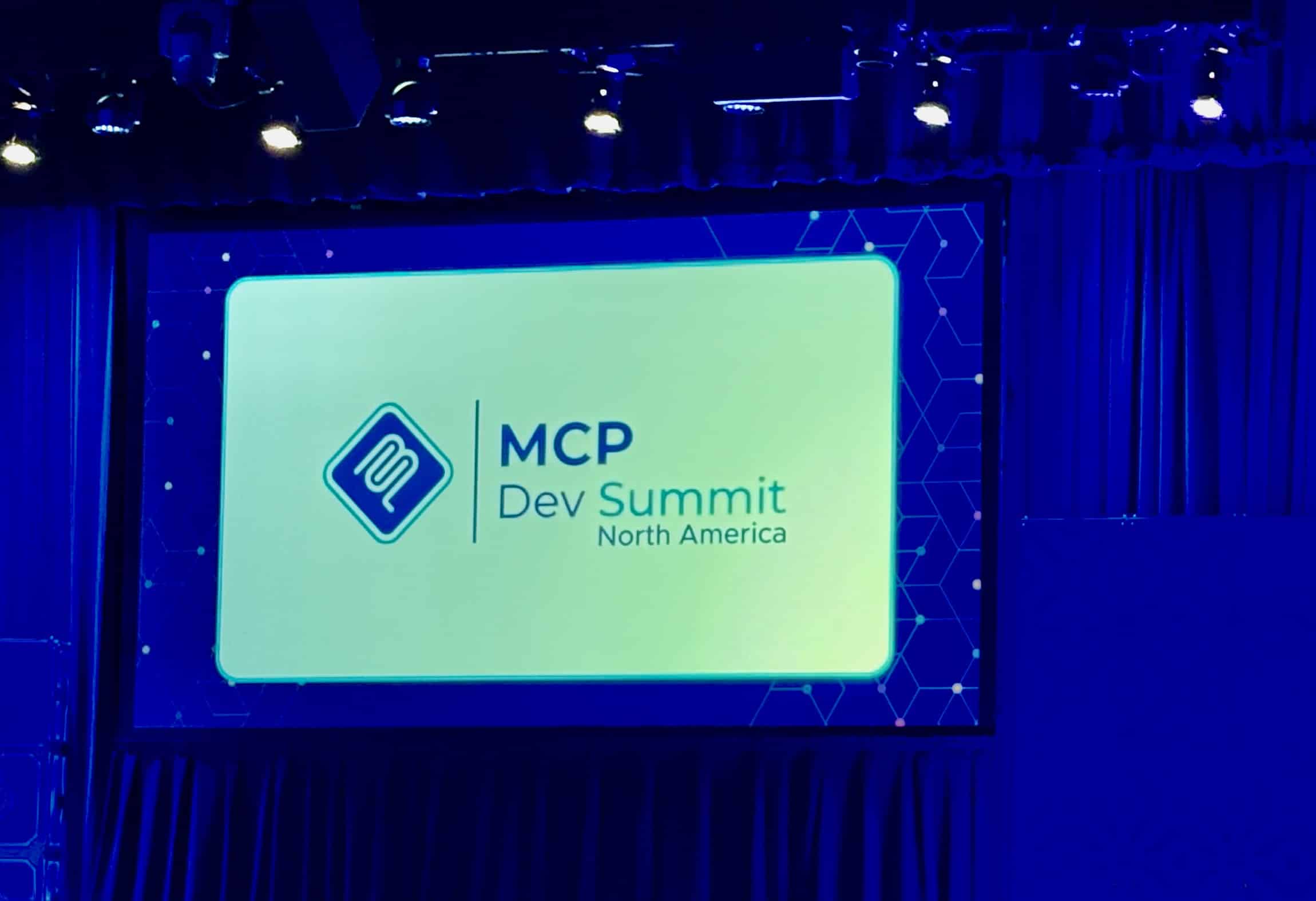
Long Live MCP – a recap of MCP Dev Summit NY
By Ross Williams, Director of Application Engineering If you've been paying attention to the dev conversation online the last couple of months, you've seen some version of the "MCP is over" take. Claude Code is just CLI calls. Security folks carved up the auth spec at...
The Productivity Redemption-Achievement Gap
By Dan Jaye, CTO Legacy companies are spending currency they don't have yet. Their best people are paying the price. Two people gave me almost identical accounts in December. One in retail corporate finance: "My boss's boss is now my boss. I had to absorb the work of...

For AI, 2026 Will Be the Year of Constrained Autonomy
By Dan Jaye, CTO Five Things I Think I Think: AI in 2026 For the past year, we've watched the AI industry do what it does best: build first, ask permission later. The demos were stunning. The pitch decks were beautiful. And the failures were sometimes spectacular....

2025: The Year AI (Occasionally) Slipped on the Banana Peel
By Dan Jaye, CTO I like AI and recognize its promise. I’ve spent most of my career building systems that assume computers can help humans do smarter things at better speed and scale. But 2025 was the year AI stopped being merely “promising” and started being …...
MCP at One Year: Why Martech and Adtech Leaders Need to Now Pay Attention
By Dan Jaye, CTO For years, "AI integration" has lived on roadmaps as a future initiative; something to prepare for eventually. That window is closing. Model Context Protocol (MCP) just marked its first anniversary. In twelve months, it has evolved from an...

When Structured Data Becomes Unruly
By Dan Jaye, CTO There’s a common assumption in technical circles: if data starts out structured, then SQL and well-designed schemas should be enough to unlock its value. Embeddings, NLP, and other unstructured techniques are seen as tools for text, images, or...
Let’s Go Beyond Tool Wrappers: What MCP Extensions Should Look Like in Adtech and Martech
By Dan Jaye, CTO My recent LinkedIn post called out the industry's (so far) tool-only approach to MCP. The response: "Okay, so what SHOULD we be building?" Here's the detailed answer on architectural patterns that would actually leverage MCP for enterprise martech and...
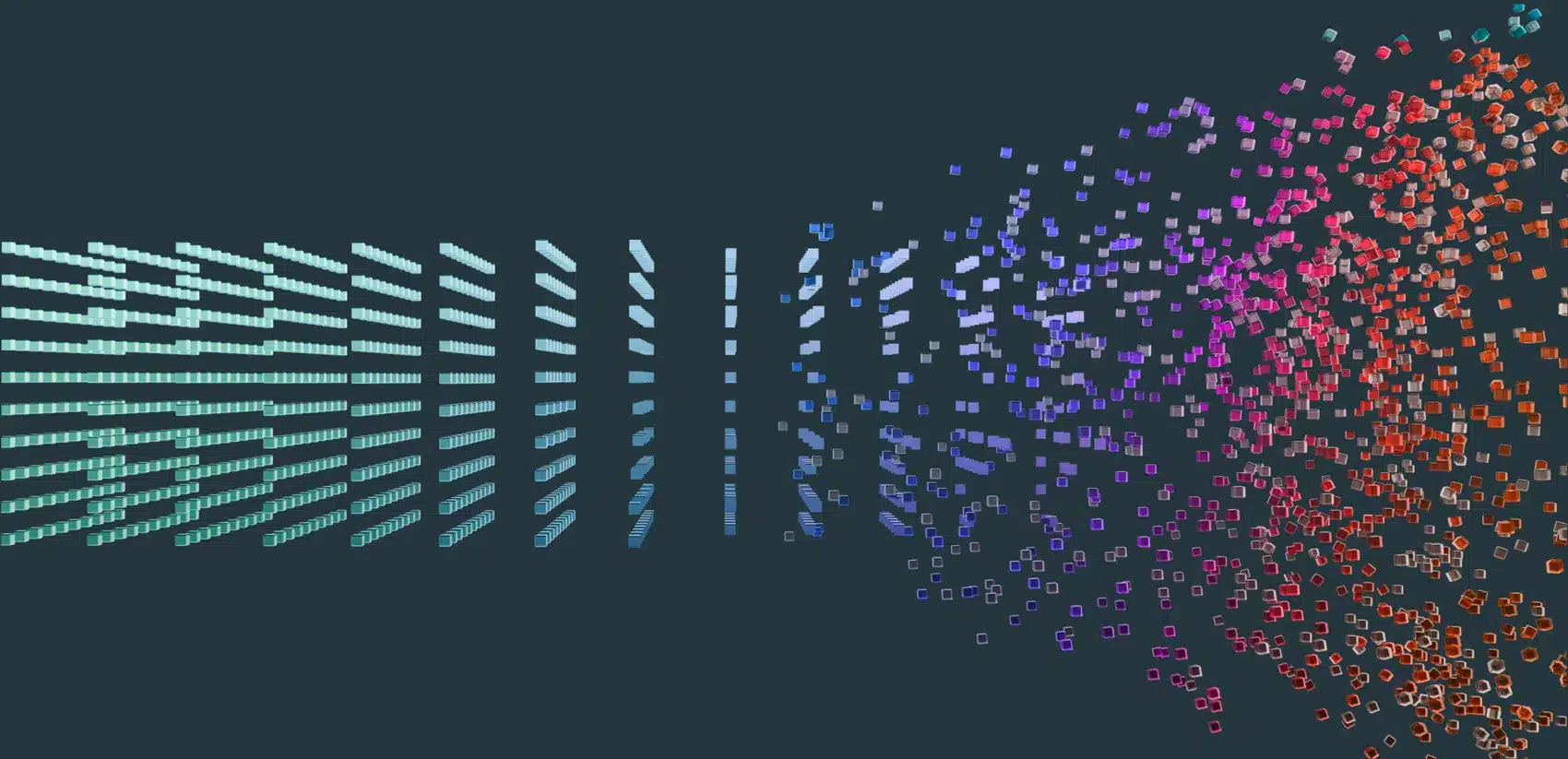
We’re in a Dissipative Phase of Agentic AI (i.e., Rapidly Increasing Entropy)
By Dan Jaye, CTO We’re in a moment of extraordinary acceleration. Every week, new agentic AI systems appear: frameworks, tools, and protocols designed to reason, adapt, and act. Innovation is exploding in every direction. But beneath the excitement lies a clear...

Aqfer Expands Executive Team to Accelerate Momentum Across Enterprise Data and AI Activation
Xander Kotsatos Named Chief Revenue Officer; John Lee Joins Board of Directors NEW YORK, NY – October 28, 2025 – Aqfer, the company that unifies, analyzes and activates customer data within your cloud, enabling faster insights, smarter AI, and lower costs, today...

Containerized RTB and How It Shifts the Programmatic Space
By Dan Jaye, CTO The Google AdEx privacy settlement and its introduction of RTB Control made one thing clear: identity enforcement is moving into the core pipes of programmatic. When consumers can opt out and strip identifiers at the auction level, the open bidstream...
Get it in your inbox
No digest and no drip sequence, just the piece when it is published. Tell us where to send it and we will add you to the list.